
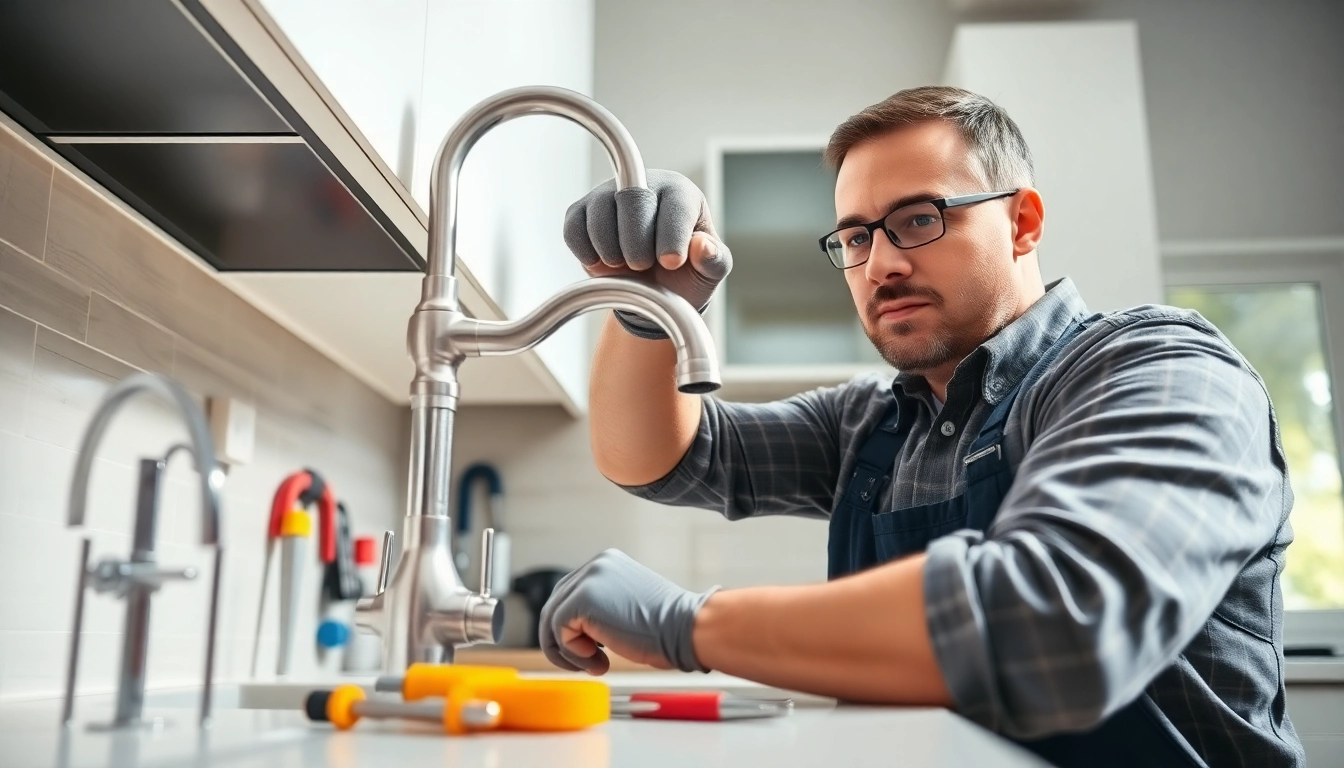
Understanding the Role of a Plumber
The role of a plumber extends beyond fixing pipes and clogged drains; it encompasses a range of responsibilities that ensure safe, reliable water supply and drainage systems in residential, commercial, and industrial settings. The significance of hiring a skilled plumber lies in their expertise, which guarantees that your plumbing systems operate efficiently and comply with local regulations.
Key Responsibilities of a Plumber
Plumbers perform a wide array of tasks that involve installing, repairing, and maintaining piping systems. Their responsibilities typically include:
- Installing new plumbing systems in buildings.
- Repairing or replacing damaged pipes, fixtures, and appliances.
- Diagnosing and addressing plumbing issues such as leaks or blockages.
- Conducting routine maintenance to prevent system failures.
- Advising homeowners on water conservation and plumbing upgrades.
Essential Skills for Plumbing Professionals
In addition to technical expertise, successful plumbers possess a unique blend of skills that facilitate their work:
- Problem-Solving: Plumbers must identify issues quickly and develop effective solutions.
- Attention to Detail: Precision is critical to ensure all installations and repairs are secure and up to code.
- Physical Stamina: Plumbing often involves lifting, crawling, and working in confined spaces.
- Communication Skills: Interacting with clients to understand their needs and explain plumbing problems is crucial.
- Technical Aptitude: Familiarity with tools, technology, and plumbing codes is essential for modern plumbing practices.
Common Plumbing Tools and Equipment
Plumbers utilize a range of tools and equipment to perform their tasks effectively, including:
- Pipe Wrenches: Used for gripping and turning pipes.
- Plunger: Handy for clearing clogs in toilets and drains.
- Drain Snake: Equipment to remove serious blockages deep in plumbing systems.
- Pipe Cutter: For clean and precise cuts in pipes.
- Pressure Gauge: A tool to measure water pressure in systems.
When to Call a Plumber
Recognizing when to call a plumber can save time, money, and potential damage to your plumbing systems. Here are some scenarios that typically warrant professional assistance:
Identifying Plumbing Emergencies
Emergency situations require immediate attention from a plumber. Typical plumbing emergencies include:
- Major leaks that cannot be controlled.
- Overflowing toilets that pose sanitation risks.
- Frozen pipes that threaten to burst.
- Water supply failures affecting daily living.
Signs Your Plumbing Needs Attention
Homeowners should monitor for certain warning signs that indicate potential plumbing issues, such as:
- Slow drainage in sinks or tubs.
- Unpleasant odors, which may indicate blocked drains.
- Changes in water pressure that signal leaks or blockages.
- Mold or water stains on walls and ceilings.
Preventive Maintenance Tips
Preventive maintenance can help avoid costly repairs and prolong the life of your plumbing system. Consider the following tips:
- Regularly inspect and clean your drains to avoid clogs.
- Check for leaks under sinks and around appliances.
- Flush your water heater to remove sediment buildup.
- Know the location of main shut-off valves for emergencies.
Choosing the Right Plumber
Finding a qualified plumber is essential to ensuring satisfactory service and quality repairs. Here’s how to choose the right one:
Factors to Consider When Hiring a Plumber
When selecting a plumber, keep these factors in mind:
- Licensing and Insurance: Ensure the plumber is licensed and carries liability insurance.
- Experience: Look for a plumber with relevant experience in the specific issue you have.
- Service Area: Confirm that they service your area, especially for emergencies.
- Response Time: Ask about their average response time for urgent issues.
Reading Reviews and Testimonials
One effective way to gauge a plumber's reliability and quality of work is by reading reviews and testimonials:
- Visit review sites to read feedback from past clients.
- Check their website for customer testimonials.
- Ask for references from recent clients to speak to their experiences.
Questions to Ask Potential Plumbers
Asking the right questions can help ensure you choose a knowledgeable and trustworthy plumber. Consider asking:
- What are your licensing and insurance details?
- Can you provide estimates for the work required?
- What warranties do you offer on your work?
- How do you handle unexpected costs during a job?
Cost of Hiring a Plumber
Understanding the cost associated with hiring a plumber can help you effectively budget and avoid unexpected expenses.
Understanding Plumbing Pricing Structures
Plumbers may charge by the hour, per project, or have a flat rate for specific services. Knowing how each structure works can help you make informed decisions:
- Hourly Rate: Common for emergency services or jobs with uncertain scope.
- Flat Rate: Typically used for standard services like installations.
- Cost Per Project: Quoted for larger jobs with clear estimates.
Comparing Costs for Common Services
To aid in budgeting, familiarize yourself with the average costs for common plumbing services, including:
- Clogged drain cleaning: $100 - $300.
- Installing a toilet: $150 - $300.
- Replacing water heaters: $800 - $1,500.
- Pipes replacement: $500 - $2,000 depending on materials and locations.
Budgeting for Future Plumbing Needs
It is wise to set aside a budget for plumbing emergencies or maintenance. Here are some tips to consider:
- Establish a yearly budget based on your home’s age and plumbing history.
- Account for minor repairs and potential emergencies in your budget.
- Consider regular maintenance to prolong the life of your plumbing systems.
DIY vs. Professional Plumbing Services
DIY plumbing can be tempting for cost-saving reasons, but it is important to discern when it’s safe to attempt repairs and when to call in a professional.
When to Attempt DIY Plumbing Repairs
Basic plumbing tasks can often be tackled with some tools and knowledge. Here are instances when DIY might be appropriate:
- Unclogging a minor blockage using a plunger.
- Replacing faucet washers or aerators.
- Fixing small leaks with reliable sealants.
- Installing a new showerhead or bathroom fixtures.
Benefits of Hiring a Professional Plumber
While tackling minor repairs can save money, professional plumbers offer numerous advantages, including:
- Expertise in identifying complex issues that a homeowner may overlook.
- Access to advanced tools that ensure the job is done right.
- Warranty and guarantees on their services for peace of mind.
- Up-to-date knowledge of building codes and regulations.
Common DIY Plumbing Mistakes to Avoid
While DIY can be effective, certain mistakes can escalate problems, such as:
- Ignoring the severity of a leak, which can lead to costly damage.
- Using inappropriate tools or techniques that cause more harm.
- Attempting a repair beyond your skill set, leading to emergency situations.
- Neglecting to turn off the water supply before repairs.
Frequently Asked Questions (FAQs)
1. How can I find a reliable plumber?
Look for licensed and insured plumbers, read reviews online, and ask for recommendations from friends or family for trustworthy options.
2. What should I do if I have a plumbing emergency?
Shut off the main water supply, minimize damage by containing leaks, and call a professional plumber immediately for assistance.
3. How much does it typically cost to hire a plumber?
Costs vary based on the service, but average rates can range from $100 to $200 per hour, with flat rates for specific jobs.
4. Can I perform plumbing repairs myself?
Basic repairs, like unclogging drains or replacing faucets, are suitable for DIY. However, complex issues should be left to professionals.
5. How often should I have my plumbing system inspected?
It's advisable to conduct a plumbing inspection annually to catch potential problems early and ensure everything is functioning optimally.